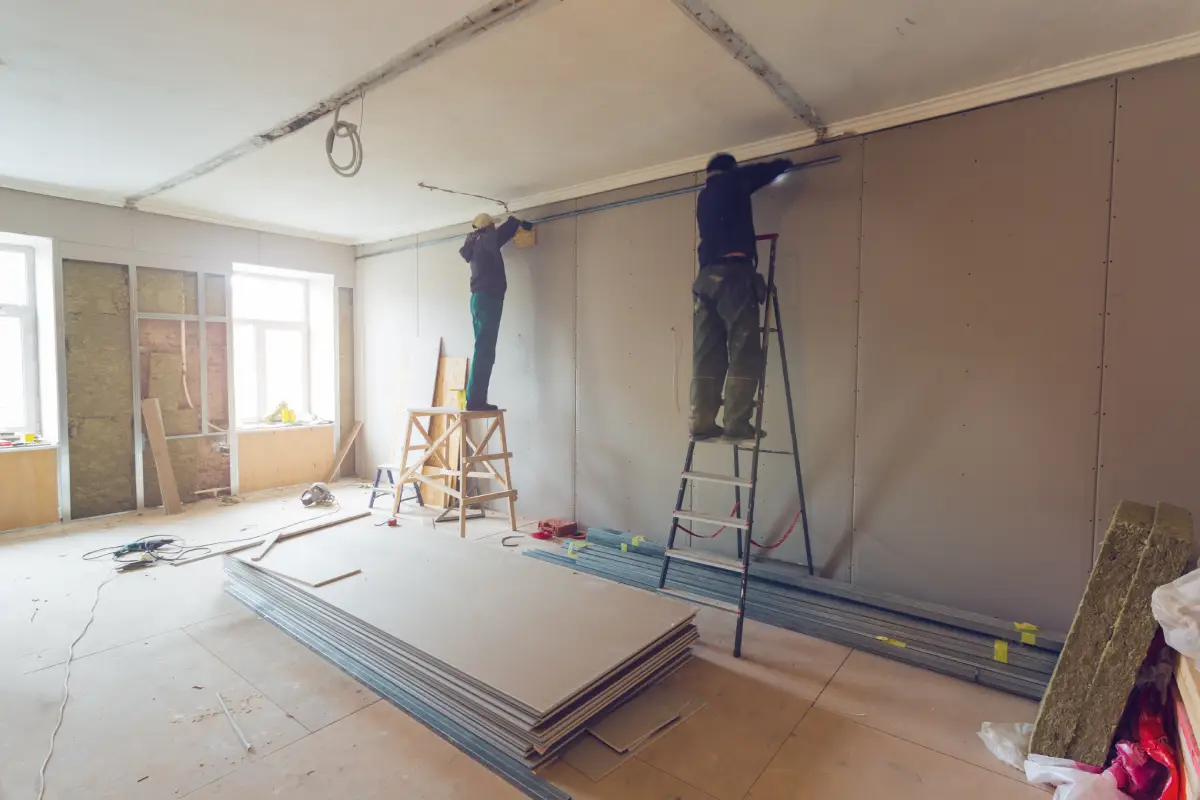
Recurring repairs often indicate aging property features in Seacoast, NH, because repeated maintenance requests usually signal that major systems are wearing out rather than experiencing one-time problems. Nationally, the median age of owner-occupied homes is 41 years, according to the U.S. Census Bureau's American Housing Survey, increasing the likelihood that older plumbing, roofing, electrical, and HVAC systems will require more frequent repairs over time.
For rental property owners, overlooking these patterns can lead to rising repair costs, unexpected vacancies, and expensive emergency replacements. At PMI Green Rock, we help owners make confident maintenance decisions by identifying repair trends before they become larger financial burdens. This guide explains how recurring repairs can reveal aging property features and what they mean for your property's long-term performance.
Key Takeaways
- Recurring repairs usually indicate aging property systems rather than isolated maintenance issues.
- Repair histories help owners identify components approaching replacement.
- Proactive maintenance planning reduces long-term ownership costs.
- Early intervention improves tenant satisfaction and protects property value.
Recurring Repairs Reveal Property Systems Nearing the End of Their Service Life
Every building component has a limited lifespan. Roofing materials, plumbing pipes, heating systems, appliances, and exterior finishes naturally wear out over time.
As these systems age, repairs become more frequent because the surrounding materials continue to deteriorate. Replacing a single pipe section, for example, does not restore an aging plumbing network. Likewise, repairing one section of the roof cannot reverse years of weather exposure that have affected the remaining materials.
Regular rental inspections help owners document changes in property conditions before recurring issues become costly failures.
Owners often notice recurring repairs involving:
- HVAC equipment
- Water heaters
- Plumbing lines
- Roofing systems
- Exterior siding
- Windows and doors
When multiple repairs occur within the same system, replacement often becomes the more practical long-term investment.
Repeated Maintenance Signals Hidden Wear Beyond the Visible Problem
Many maintenance issues begin behind walls, beneath flooring, or inside mechanical systems long before visible damage appears.
A tenant may report another ceiling stain, another leaking faucet, or another electrical issue. Although each repair may appear unrelated, hidden deterioration often connects these problems.
Developing preventive maintenance habits helps reduce unnecessary wear while allowing owners to identify aging components before repeated service calls become routine.
Aging Plumbing
Repeated pipe leaks may result from corrosion throughout the plumbing system rather than from one damaged fitting.
Aging Roofing
Recurring leaks frequently indicate worn flashing, deteriorated underlayment, or shingles approaching the end of their service life.
Aging HVAC Equipment
Multiple service calls may reveal declining efficiency, worn motors, aging compressors, or failing heat exchangers.
Aging Windows
Drafts and moisture intrusion often result from deteriorated seals and exposure to weather rather than isolated installation problems.
Looking beyond the immediate repair allows owners to address the root cause rather than repeatedly treating symptoms.
Frequent Repairs Show When Temporary Fixes No Longer Provide Value
Small repairs make financial sense while systems remain structurally sound. Eventually, however, repeated maintenance becomes more expensive than replacement.
Working with a reliable contractor helps ensure repairs are completed consistently while providing better insight into whether replacement has become the smarter option.
Several warning signs suggest repairs are no longer the most cost-effective solution.
Increasing Repair Frequency
If contractors return every few months for similar problems, the system itself may be failing.
Rising Repair Costs
Each repair includes labor, scheduling, materials, and administrative costs that gradually accumulate.
Emergency Service Calls
Unexpected breakdowns often require after-hours service, increasing maintenance expenses.
Additional Property Damage
Recurring plumbing leaks can damage drywall, flooring, insulation, cabinetry, and trim if left unresolved.
Instead of approving another short-term repair, owners should evaluate the total cost of keeping an aging system operational.
Maintenance History Exposes Long-Term Property Deterioration
One maintenance request rarely tells the whole story.
A complete maintenance history provides valuable insight into how individual property systems perform over time.
According to the Joint Center for Housing Studies of Harvard University, homeowners spent an estimated $503 billion in 2024 on remodeling and repair projects, reflecting the continued investment required to maintain the nation's aging housing stock.
Applying sustainable property practices also supports long-term maintenance planning by extending the useful life of many building systems.
Owners should regularly review repair records for patterns such as:
- Repeated plumbing leaks in similar locations
- Annual HVAC repairs before seasonal temperature changes
- Frequent appliance failures
- Multiple roof leak repairs after heavy rain
- Repeated exterior wood repairs caused by moisture exposure
Maintenance trends also improve budgeting. Rather than reacting to emergencies, owners can prepare for future replacements while maintaining stable operating expenses.
Recurring Repair Patterns Help Prioritize Capital Improvements
Every rental property eventually requires major improvements. The challenge is determining which projects deserve priority.
Recurring repairs create valuable data that helps owners make those decisions.
Large replacement projects become easier to manage with professional project management that coordinates contractors, project schedules, budgets, and quality control from start to finish.
For example, replacing an aging roof may prevent repeated leak repairs over several years. Installing a new HVAC system may eliminate annual emergency breakdowns while improving energy efficiency.
Owners should evaluate:
Repair Costs Compared With Replacement Costs
Multiple repairs may eventually exceed the cost of installing new equipment.
Expected Remaining Lifespan
Knowing the average service life of major systems helps guide replacement timing.
Impact on Tenant Satisfaction
Reliable systems reduce maintenance requests and create a more positive rental experience.
Budget Planning
Scheduling capital improvements in advance minimizes financial surprises.
Proactive Maintenance Protects Aging Rental Properties From Costlier Failures
Waiting until systems completely fail usually increases repair costs, property damage, and tenant disruption.
A free rental analysis can help owners evaluate whether recurring repairs indicate larger investment opportunities or future replacement needs.
Proactive maintenance focuses on preventing emergencies before they occur.
This includes:
- Annual system inspections
- Seasonal HVAC servicing
- Roof evaluations
- Plumbing assessments
- Exterior maintenance
- Preventive repairs
Preventive maintenance also creates stronger relationships with residents. Tenants appreciate owners who resolve problems before they become significant inconveniences.
Why Trust Matters When Managing Aging Rental Properties
Recurring repairs require more than quick responses. They require informed decisions supported by accurate information and consistent maintenance planning.
Property owners can stay informed year-round by using the owner resource center to better understand their responsibilities and available property management support options.
At PMI Green Rock, we document repair histories, coordinate qualified vendors, perform regular property evaluations, and communicate openly with property owners throughout every stage of the maintenance process.
Our goal is to help you distinguish between routine maintenance and signs that major property features are reaching the end of their service life. This proactive approach supports better budgeting, protects property value, and creates a safer, more reliable home for your residents.
FAQs About Aging Property Features and Recurring Repairs in Seacoast, NH
Should I replace a major system even if it is still working?
Yes, if repairs are becoming more frequent or the system is nearing the end of its expected lifespan. Replacing it before failure can reduce emergency costs, improve reliability, and prevent damage to other parts of the property.
Will replacing aging property features increase my rental income?
It can. Updated systems improve the property's condition, enhance tenant satisfaction, and make the rental more competitive. While higher income isn't guaranteed, well-maintained properties often support stronger rental value and tenant retention.
How can I budget for major replacements without disrupting my cash flow?
Review your maintenance history annually, estimate remaining system lifespans, and set aside reserve funds over time. Planning replacements in advance helps spread costs and reduces the financial impact of unexpected equipment failures.
Could delaying replacement affect my insurance coverage?
It can in some situations. If neglected property features contribute to preventable damage, insurers may review whether proper maintenance was performed. Keeping aging systems in good condition helps reduce potential coverage concerns.
Is it worth getting a professional property assessment before making major repairs?
Yes. A professional assessment identifies the true condition of major systems, prioritizes needed improvements, and helps determine whether repair or replacement offers the better long-term value for your residential rental property.
Prepare Your Rental for Years of Reliable Operation!
Recurring repairs often provide valuable insight into the overall condition of your rental property. Recognizing these patterns early allows you to replace aging systems before repair costs escalate, helping protect your investment and provide a better experience for your residents. PMI Green Rock provides dependable maintenance support that helps residential property owners throughout Seacoast, NH, stay ahead of costly property issues.
Our maintenance services include:
- Preventive maintenance coordination
- Vendor management
- Property inspections
- Repair scheduling
- Capital improvement planning
- Emergency maintenance response
Your rental property deserves consistent care. Protect your investment with proactive maintenance services designed to reduce recurring repairs today!
